
 CANADA - FR
 U.S.A - EN


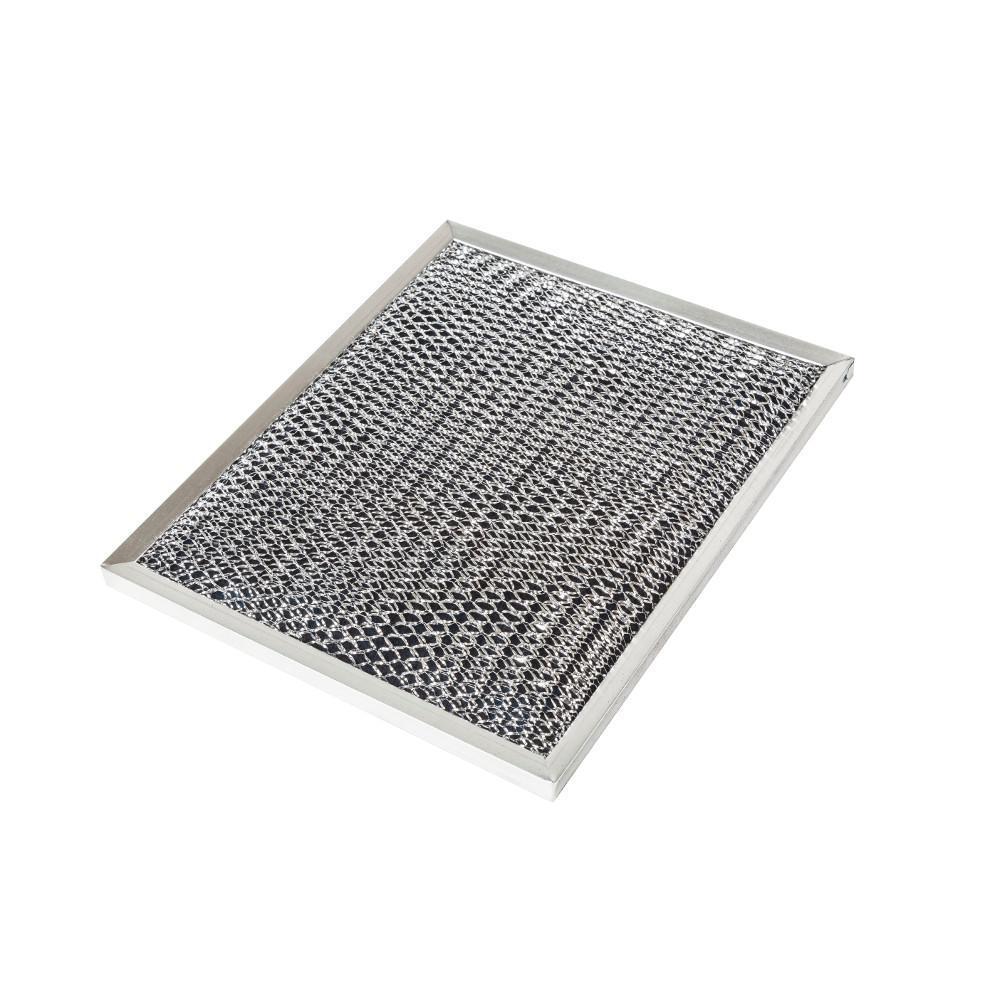
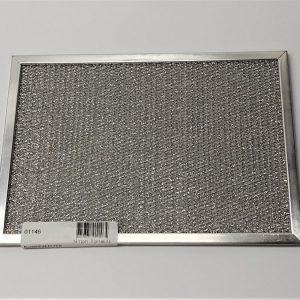
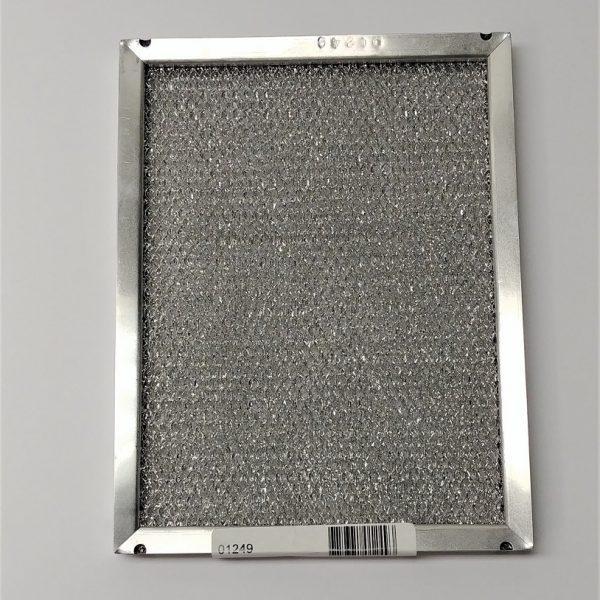
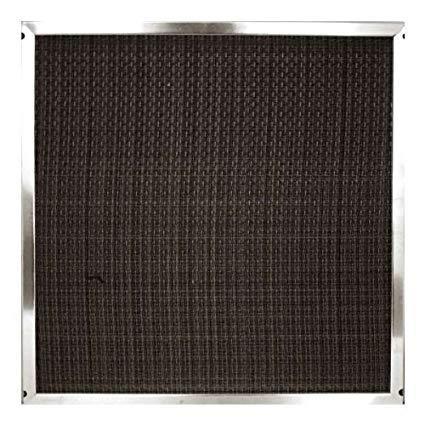
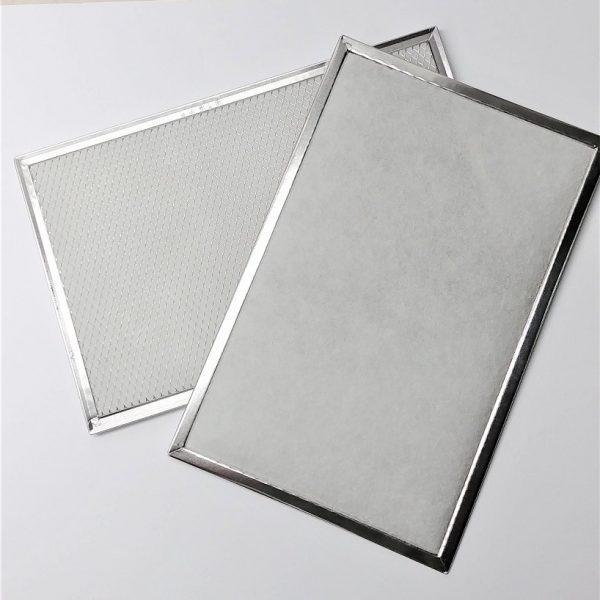
Product Specs
- Measurement & Dimensions
-
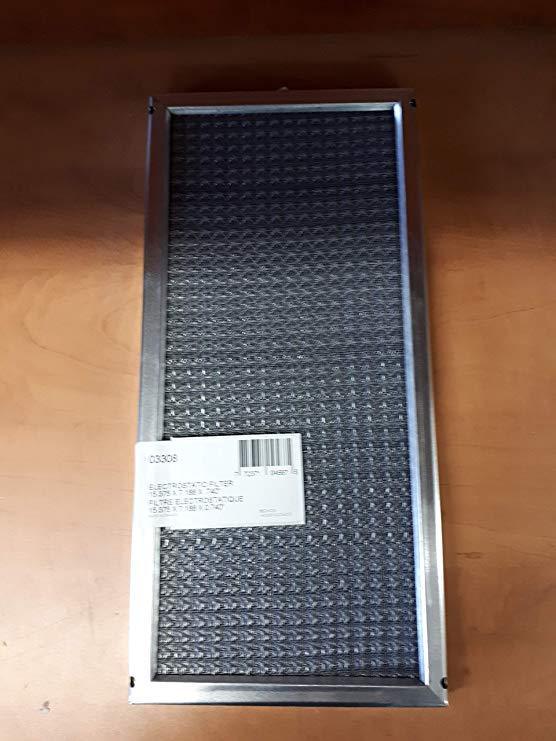
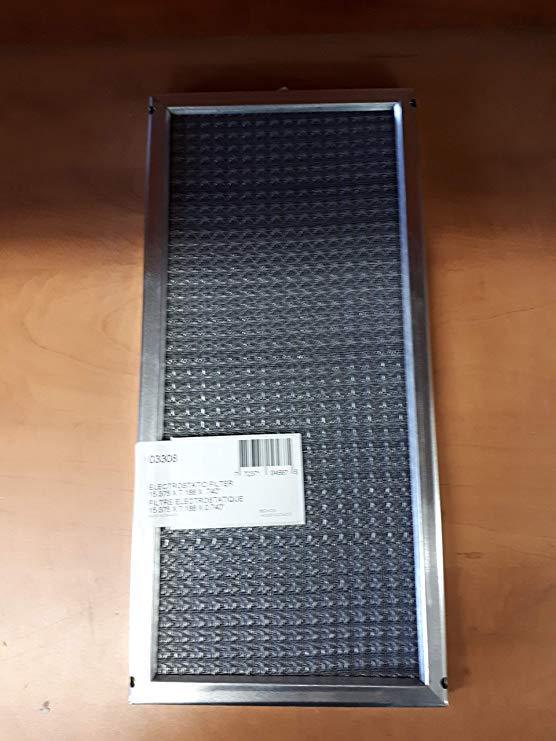
- 03308
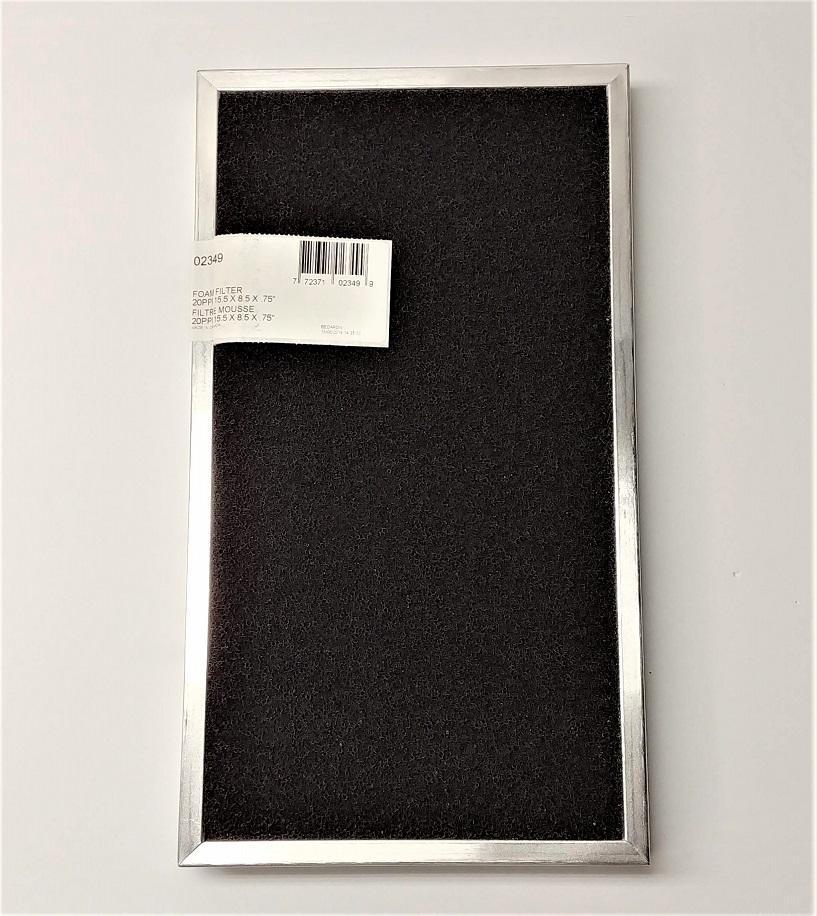
- 02349
- 01232
- 01234
- 01248
- 01249
- 04771
- 18204
- 18205
-
- 15
- 15
- 13.5
- 13.5
- 15.5
- 10.75
- 14.8
- 14.5
- 15
-
- 7
- 8
- 7.8
- 12.9
- 14.3
- 8.1
- 14.3
- 9.3
- 14.5
-
- 0.75
- 0.5
- 0.3
- 0.3
- 0.3
- 0.75
- 0.75
- 1/8
- 1/8
-
What is the difference between Original and Generic Filters?
Our Generic Universal filters offer the following advantages compared to the original filters:
- 1 Manufactured by a leading Global Air Filter Manufacterer
- 2 Same MERV Efficiency at the OEM
- 3 Same quality as the OEM at a lower price
- 4 Exact replacement as the Original OEM Filter
-
Air Exchanger Filter
Minimum order of 2 filters
Starting at $32.00
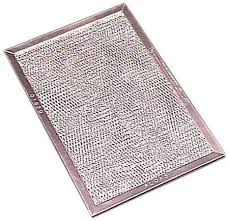
SKU SIZE PRICE CART 03308 15" x 7" x 0.75" (03308) $42.00 Add To Cart 02349 15" x 8" x 0.5" (02349) $42.00 Add To Cart 01232 13.5" x 7.8" x 0.3" (01232) $38.00 Add To Cart 01234 13.5" x 12.9" x 0.3" (01234) $38.00 Add To Cart 01248 15.5" x 14.3" x 0.3" (01248) $38.00 Add To Cart 01249 10.75" x 8.1" x 0.75" (01249) $32.00 Add To Cart 04771 14.8" x 14.3" x 0.75" (04771) $42.00 Add To Cart 18204 14.5" x 9.3" x 1/8" (18204) $32.00 Add To Cart 18205 15" x 14.5" x 1/8" (18205) $32.00 Add To Cart -
Air-T-Rex Air Exchanger
Available in boxes of 12 filters
Starting at $10.95
SKU SIZE PRICE CART ATR07E15E01 15" x 7" x 0.75" $10.95 Add To Cart ATR08E15E01 15" x 8" x 0.5" $10.95 Add To Cart ATR07FE13DE01 13.5" x 7.8" x 0.3" $10.95 Add To Cart ATR12FE13DE01 13.5" x 12.9" x 0.3" $10.95 Add To Cart ATR14BE15DE01 15.5" x 14.3" x 0.3" $10.95 Add To Cart ATR08E10FE01 10.75" x 8.1" x 0.75" $10.95 Add To Cart ATR14BE14FE01 14.8" x 14.3" x 0.75" $10.95 Add To Cart ATR09BE14DE01 14.5" x 9.3" x 1/8" $10.95 Add To Cart ATR14DE15E01 15" x 14.5" x 1/8" $10.95 Add To Cart
Frequently Asked Questions
-
What is a "MERV" rating?
MERV stands for minimum efficiency reporting value. MERV ratings are an air filter industry standard. The higher the MERV rating, the more particles are captured as well as the ability to filter smaller and smaller particles. While higher MERV ratings are better at filtering, air flow is reduced slightly. Residential furnace filters range from MERV 8 to 13.
-
How do I measure my air filter?
Measuring your air filter is easier than you think. One of the best ways to find the size of your air filter, is to check the outside of the filter to find the part number and size. On the outer frame, you will see at least one set of numbers. If you see two sets of numbers, the filter size needed to order replacements is the nominal size, not the actual size. You can ignore the actual size printed on your filter for this task, as the nominal size is the number set needed to order new filters. The other way to find the size of your filter is to measure it yourself. The measurements of the air filter go by length, width and depth. It’s also important to know that the length and width are interchangeable. For example, if your filter is 14 X 20 X 1, it can also be 20 X 14 X 1.
-
Which way does my air filter go?
Our filters are made and packaged to provide the correct instructions on the direction that your air filter should go in. Typically there will be an arrow on the side of the filter which will indicate which way to insert the filter. Some washable filters do NOT have an arrow on the side, because it doesn't matter which way they are inserted. If your filter has a wire backing on one side (ex. A pleated type), the wire backing goes on the DOWNSTREAM side when you install the filter
-
I don't see my air filter size listed. Do you make custom filters?
We realize that your air filter might not be available in a standard size. We can make custom filters (sometimes called "specials" or special sized filters) in any size that you require. Keep in mind that custom filters are made just for you and cannot be returned or exchanged. Please contact us by phone, email or chat to discuss your custom filter requirements.